
The Furnace Myth Every Draper Homeowner Believes
Ask anyone over 50 about their childhood home, and they’ll probably tell you their parents’ furnace “lasted forever.” Some even ran for 30 or 40 years without being replaced. Compare that to today’s systems, which typically last 15 to 20 years—and it’s easy to wonder, what changed?
If you live in Draper, Utah, you’ve probably heard neighbors talk about how “they don’t make furnaces like they used to.” That’s true, but not in the way most people think. Modern furnaces are built differently for a reason: they prioritize efficiency, comfort, and safety over brute mechanical longevity.
In this post, we’ll break down why your parents’ furnace lasted decades, why modern ones don’t, and how you can make your current system last as long as possible before needing a furnace replacement in Draper, Utah.
Why Older Furnaces Lasted So Long
1. Simple Design, Fewer Parts to Fail
Furnaces from the 1960s–1980s were heavy, single-speed machines made mostly of thick steel. They had few electronic components and relied on simple mechanical operation—meaning fewer parts could fail.
However, that simplicity came with a price. These older systems were only 60–70% efficient, meaning up to 40% of the heat produced was wasted through the exhaust flue. Homeowners may have enjoyed long furnace lifespans, but they paid for it every month in wasted energy.
2. Overbuilt Durability
Old furnaces were made to withstand nearly anything—temperature swings, dust buildup, even occasional neglect. They weren’t efficient, but they were built to run until the metal literally rusted through.
Today’s models, by contrast, use lightweight materials, complex electronics, and sensitive sensors designed for precision—not brute force. They deliver more comfort and lower bills, but they require regular maintenance to stay reliable.
3. Consistent (but Wasteful) Operation
Those older furnaces were either fully on or completely off. There was no variable speed, no smart thermostat, and no energy-saving features. They heated the house quickly and shut down abruptly. That predictable operation created less mechanical stress, but it wasted enormous amounts of fuel.
Modern systems continuously adjust airflow and burner intensity to keep your home evenly heated and energy-efficient. The trade-off? More moving parts mean more potential wear.
Why Modern Furnaces Have Shorter Lifespans
1. Higher Efficiency = More Complexity
Today’s furnaces are small, precise, and incredibly efficient—some reaching 98% AFUE ratings. But that efficiency comes from complex engineering: electronic ignition systems, modulating gas valves, and computerized sensors.
These components make your furnace smarter, but also more sensitive. Just like modern cars packed with technology, they deliver better performance but demand more care.
2. Utah’s Climate Takes Its Toll
Furnaces in Utah, particularly in Draper and the greater Salt Lake Valley, work harder than those in milder regions. With cold winters and high elevation, heating systems run longer cycles and face greater air density challenges. Over time, this additional strain shortens the average furnace lifespan in Utah compared to other states.
3. Deferred Maintenance and Dirty Filters
This is the silent killer of modern furnaces. Failing to change filters, clean coils, or schedule annual tune-ups leads to restricted airflow and overheating—two major causes of premature failure. If your system isn’t maintained at least once a year by a licensed HVAC professional, it’s not likely to reach its full potential lifespan.
The Real Lifespan of a Modern Furnace in Draper, Utah
Most modern gas furnaces last 15 to 20 years when properly maintained. But that number can vary based on:
- System quality and efficiency rating
- How often it runs during winter
- Installation quality
- Frequency of maintenance
Poor installation or skipped service visits can easily cut a system’s life expectancy in half. On the other hand, homeowners who follow a consistent tune-up schedule often see their systems last 25 years or more before needing furnace replacement in Draper, Utah.
How to Extend the Life of Your Modern Furnace
Even though today’s furnaces are more advanced, you can still help yours last longer—and save money while doing it.
1. Schedule Annual Tune-Ups
Preventive maintenance is the single best way to extend your furnace’s lifespan. Professional HVAC inspections catch small issues before they cause major damage.
2. Change Filters Regularly
Dirty filters restrict airflow, forcing your system to work harder. Replace them every 1–3 months during winter.
3. Balance Your Home’s Airflow
Uneven heating or closed vents can strain your furnace. Keep vents open and ensure ducts are clean for efficient performance.
4. Install a Smart Thermostat
Smart thermostats help maintain even temperatures and prevent your furnace from cycling unnecessarily.
5. Know When to Replace, Not Repair
If your furnace is over 15 years old and requires expensive repairs, replacing it is often the more cost-effective option. This is known as the repair vs. replace furnace rule in Utah—if repairs exceed 50% of replacement cost, it’s time for an upgrade.
The Cost of Holding On Too Long
Many Draper homeowners try to squeeze a few extra years out of their old systems, thinking they’re saving money. But that choice often backfires.
Here’s what it really costs to keep an outdated furnace running:
- Frequent repairs: $300–$1,000 per year
- Efficiency loss: 20–30% higher gas bills
- Emergency breakdowns: $2,500+ during peak winter service
- Reduced home value: Buyers prefer updated, efficient systems
When you add those up, replacing your furnace early—before it fails—can actually save thousands in the long run.
The Future of Furnace Technology in Utah Homes
The next generation of furnaces may not last 40 years, but they’ll do something even more valuable: save energy, reduce emissions, and keep Utah homes comfortable while meeting new efficiency standards.
Advancements like variable-speed blowers, sealed combustion chambers, and smart diagnostic technology are transforming how we heat our homes. The focus is shifting from how long a furnace lasts to how efficiently and cleanly it performs during its life.
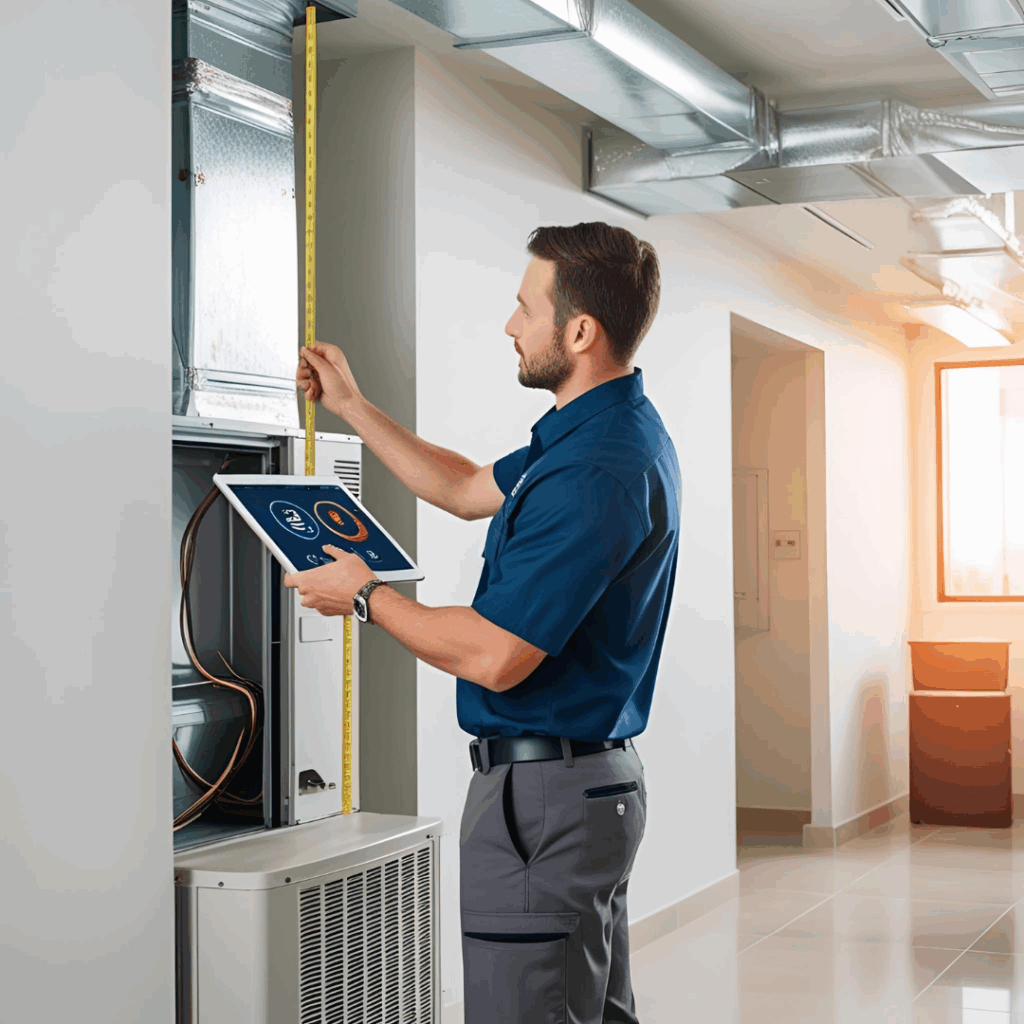
Don’t wait for your “forever furnace” to fail during the next Draper cold snap.
Schedule your furnace inspection or replacement in Draper, Utah, today and make sure your system is built—and maintained—for modern efficiency.
Call Proformance Heating & Air at (385) 226-7667 or book online for a free estimate.
FAQ
Q: How long should a furnace last in Utah?
A: Most furnaces in Utah last 15–20 years with proper care. However, Draper’s cold climate can shorten lifespan if maintenance is skipped.
Q: Why did older furnaces last longer?
A: They were built simply and less efficiently. Modern furnaces prioritize energy savings and clean burning, which adds complexity that requires regular maintenance.
Q: How do I know if my furnace is dying?
A: Watch for uneven heating, frequent cycling, unusual noises, or rising utility bills—these are clear signs your furnace may need replacement.
Q: What’s the average cost of furnace replacement in Draper?
A: The average furnace replacement cost in Draper ranges from $4,000 to $7,000, depending on the system’s size and efficiency.
Q: Can regular tune-ups really extend furnace lifespan?
A: Yes. Annual professional tune-ups can add 3–5 years to your furnace’s life and reduce the likelihood of major repairs.